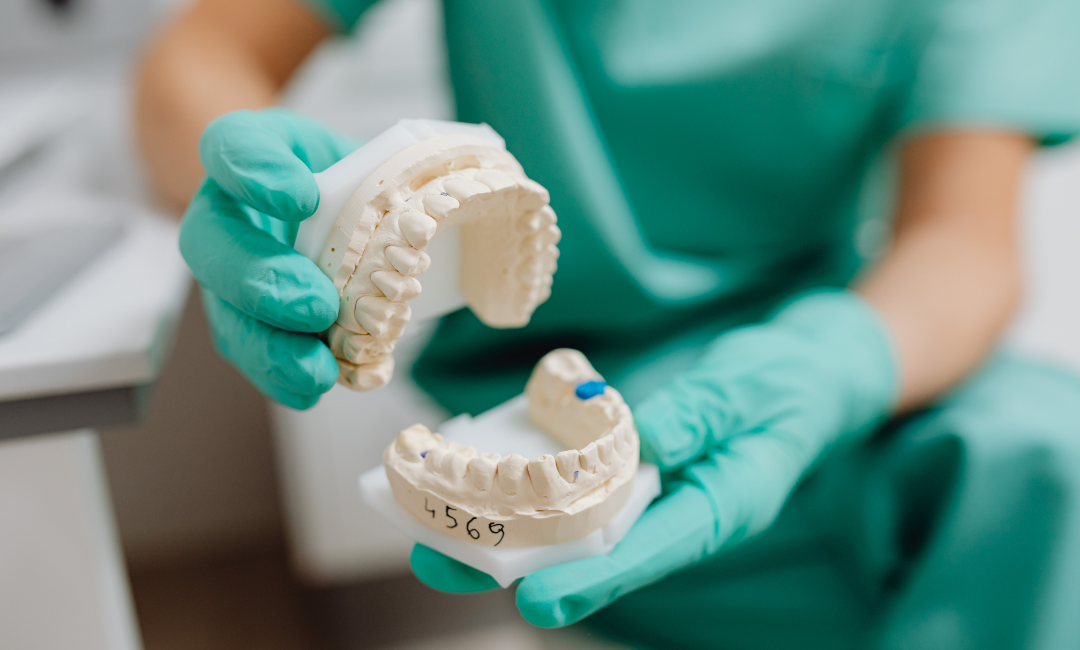
The right dental restoration can help damaged, weakened or missing teeth regain their function and appearance. There are two main options. Dental crowns and bridges. They accomplish different things. A crown is often used to strengthen and protect a damaged tooth while a bridge can replace one or more missing teeth and fill unwanted gaps.
Knowing the differences between these treatments can help the patient have a better discussion with their dental professional. The condition of the existing teeth, gum health, bite and general dental needs can all impact on which option may be appropriate.
A Stronger Smile Starts With the Right Restoration
When a tooth is lost, compromised or damaged, choosing the right dental restoration can help to preserve oral health and restore everyday function. Popular options include dental crowns and bridges. Both can help strengthen and improve a smile, but they serve different dental needs. Patients who understand these differences will be able to talk more intelligently with their dentist about appropriate treatment options.
What Is a Dental Crown?
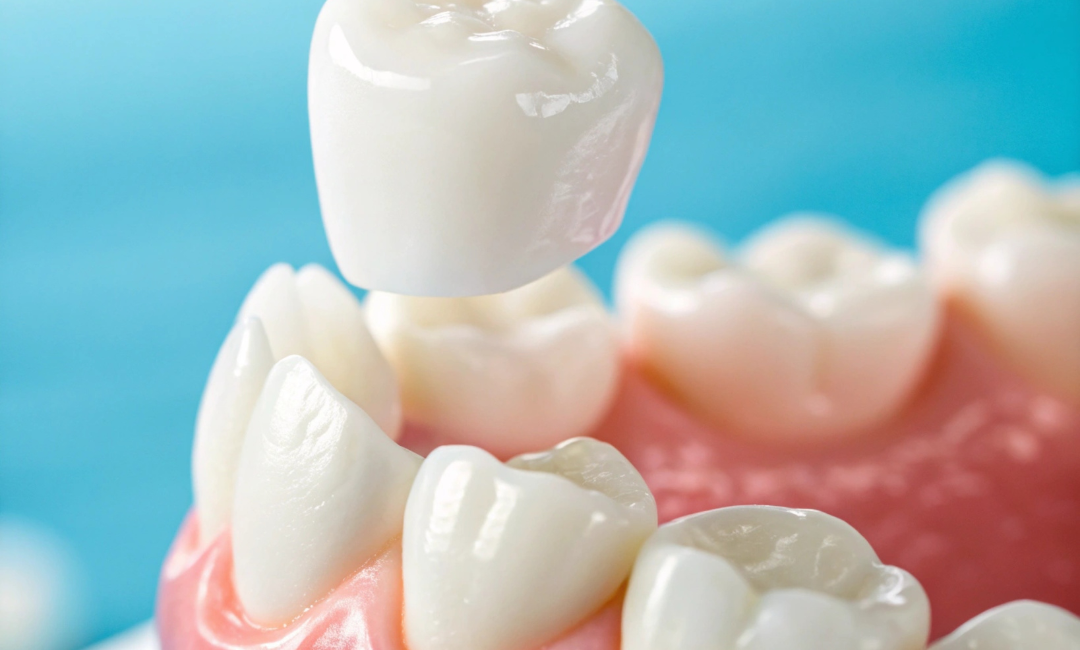
A dental crown is a custom-made restoration that fits over a damaged or weakened tooth. If a filling doesn’t provide enough support, it can help to restore the shape, strength and appearance of the tooth. Crowns are commonly recommended for teeth with extensive decay, cracks, large fillings, or root canal treatment.
A crown can also be used to enhance the appearance of a tooth whose shape or color has been altered. A well-designed crown can cover the visible part of the tooth and provide functional support while maintaining a natural-looking smile.
When Might a Dental Bridge Be Suitable?
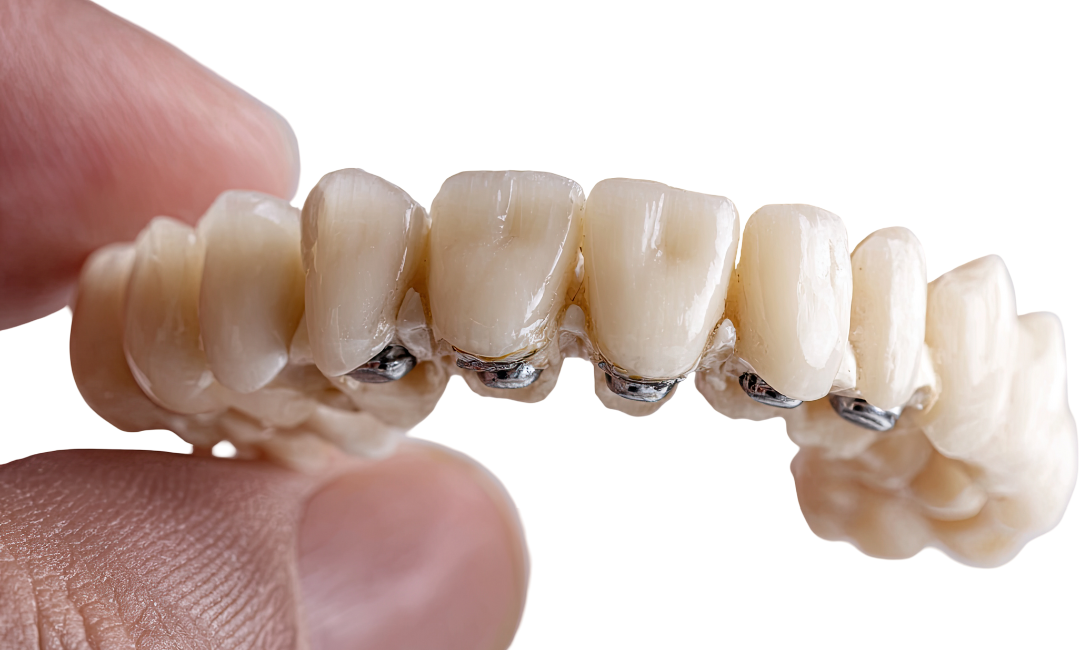
A dental bridge replaces one or more missing teeth. The replacement tooth (pontic) is usually cemented in the space left by the missing tooth, using the adjacent teeth or other support structures. Bridging the gap can help restore chewing function and create a more complete smile.
Replacing a missing tooth can also help prevent neighboring teeth from shifting into the space. The best bridge design depends on the tooth's location, the health of nearby teeth and gums, and the bite.
Crown vs. Bridge: What Is the Difference?
Their purpose is the main difference. A crown is primarily used to protect and restore a tooth that is still there but needs some extra support. A bridge is primarily used to replace a missing tooth or several missing teeth that are in a row.
A dentist might think about a few things before recommending either. These can include the amount of healthy tooth structure remaining, the condition of supporting teeth, gum and bone health, the patient’s bite and overall treatment goals. If you’re looking into a crown and bridge dentist in Penrith, knowing these differences can make it easier to discuss possible treatment options at your dental appointment.
Why a Professional Assessment Matters
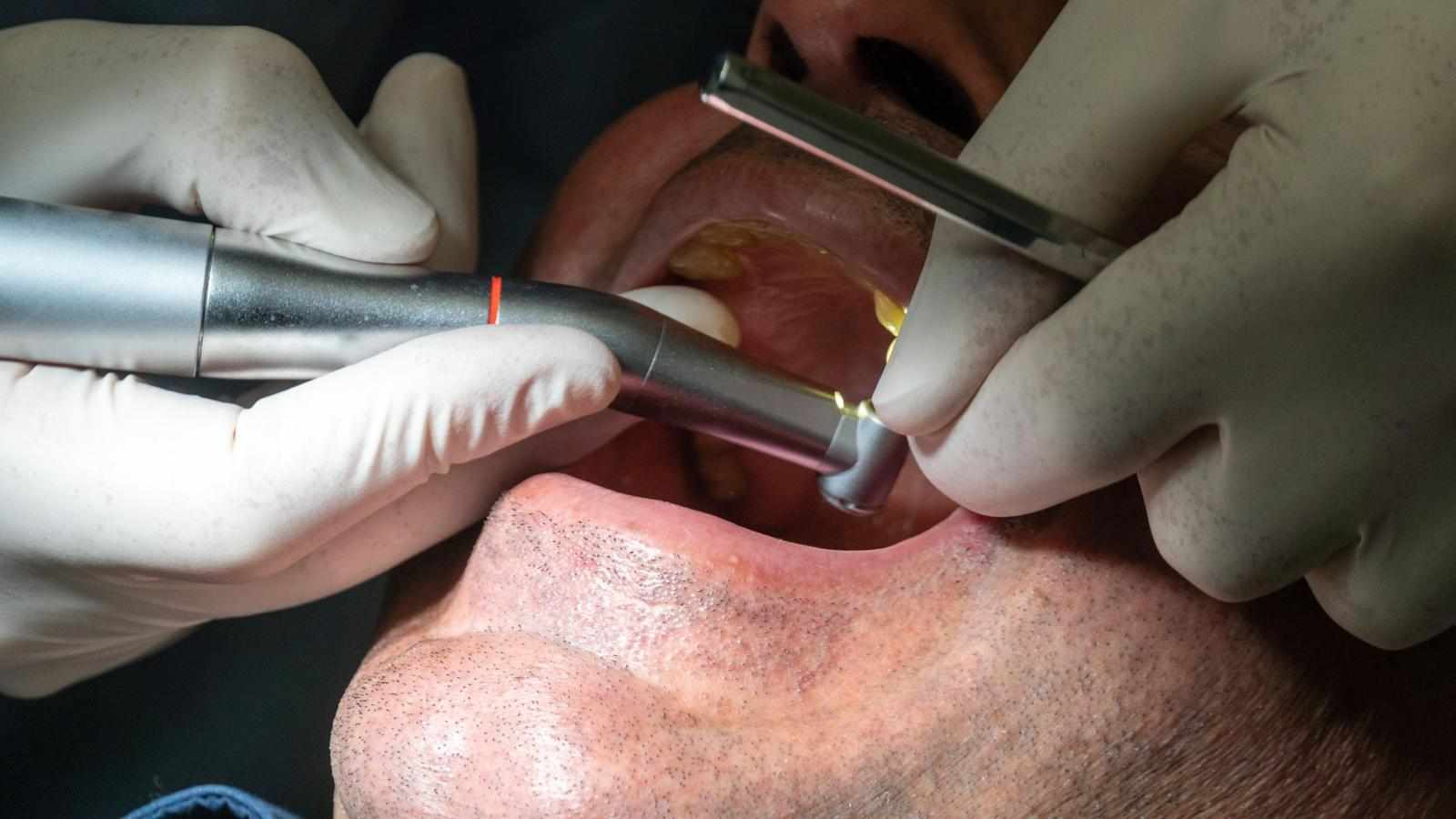
Choosing a crown and bridge based on appearance alone is not enough. A professional dental examination can help you identify the underlying problem and what restoration may be appropriate. Your dentist can evaluate the affected tooth or the area of the missing tooth, order dental X-rays if necessary and check overall oral health before discussing the available options.
Those looking for a crown and bridge dentist in Penrith can speak to a local dental practice to discuss restorative options. A personalised assessment can allow dental professionals to look at the condition of your teeth and gums and explain the treatment approach that may best support comfortable function and a natural-looking smile.
Maintaining a Healthy Restoration
It is important to keep up with good oral hygiene even after you get a crown or bridge. Healthy teeth and gums around the dental implant can be maintained by having routine dental checkups, brushing and flossing, and following the advice of your dentist. Patients should also tell their dentist about any changes in comfort, sensitivity or fit of the restoration.
Crowns and bridges are capable of being used as part of a long-term plan to maintain a healthy-looking smile and restore normal oral function with appropriate maintenance and professional supervision.
Explore Restorative Dental Care with Lethbridge Dental
Crowns and bridges can both be important in restorative dentistry, but they are used for different dental purposes. A bridge fills the gap of a missing tooth and can help restore the appearance and function of a smile. A crown can help strengthen and protect a damaged tooth.
Patients considering restorative treatment can speak with the dental team at Lethbridge Dental to understand their options and receive guidance based on their individual oral health needs.










Write a comment ...